The digital landscape is undergoing a profound transformation. What once began as experimental computer-generated imagery (CGI) projects a decade ago has now evolved into a mainstream, highly scalable corporate marketing strategy. Today, brands no longer view virtual influencers as fleeting novelties; instead, they are investing heavily in custom digital ambassadors to retain total ownership of intellectual property and maintain strict control over brand narratives.
For professionals and businesses stepping into this space, understanding how artificial intelligence and virtual creators operate is essential. This beginner’s guide explores the market evolution, key advantages, regulatory challenges, and future trends shaping the next era of influencer marketing.
From Novelty to Corporate IP
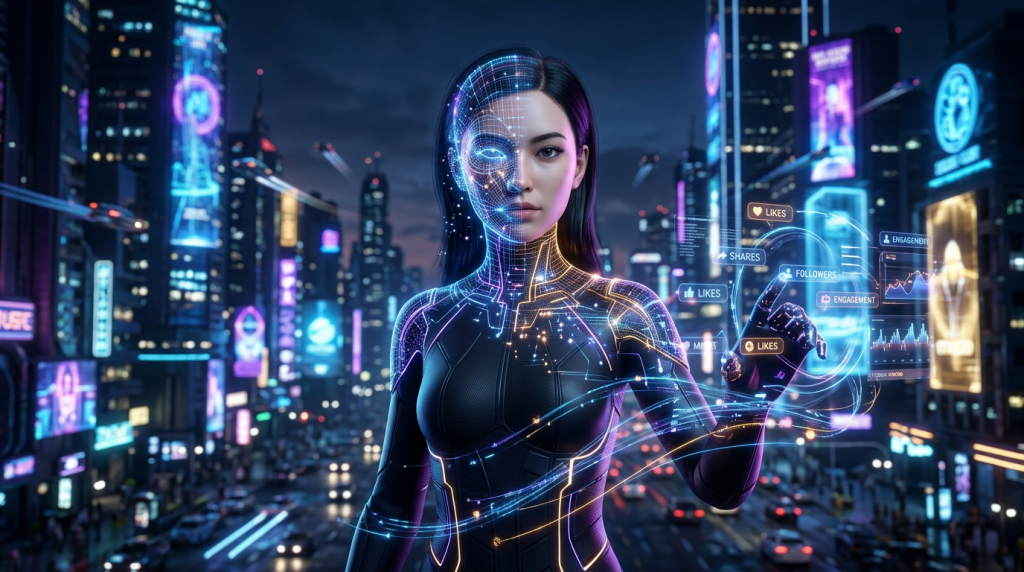
The journey of virtual creators has accelerated rapidly with the advent of generative AI. Early pioneers laid the groundwork by proving that digital characters could capture public imagination. However, the integration of modern generative AI has endowed virtual avatars with true autonomy, real-time interaction capabilities, hyper-realistic voice modulation, and the power to generate endless streams of automated content.
Consequently, major corporations are moving past traditional influencer partnerships to build proprietary digital assets. By developing in-house virtual influencers, brands eliminate external liabilities and secure a permanent, controllable asset that serves their exact strategic vision.
Market Growth and Performance Metrics
The numbers behind the virtual influencer phenomenon highlight a rapidly expanding sector with massive economic potential:
- Exponential Market Valuation: The global virtual influencer market is valued in the billions, with long-term projections showing growth toward a massive valuation over the coming decade, propelled by a strong compound annual growth rate (CAGR).
- High Engagement Rates: Industry data reveals that virtual avatars and synthetic creators frequently achieve impressive engagement rates—often averaging above 5% in optimized niches—frequently rivaling or outperforming human creators in specific commercial verticals.
- Increasing Budget Allocations: Digital marketing budgets continue to shift toward automation and synthetic media, with global brands dedicating substantial portions of their influencer marketing spend to AI-driven initiatives.
Competitive Advantages of AI Avatars
Integrating AI avatars into a marketing mix offers distinct operational benefits that traditional human influencers struggle to match.
Zero Controversy Risk
Human influencers, while relatable, are prone to personal controversies, fatigue, scheduling conflicts, or unpredictable public statements that can instantly jeopardize a brand’s reputation. AI avatars offer complete safety against personal scandals, ensuring corporate brand safety.
24/7 Availability and Multilingual Scalability
An AI-powered avatar can simultaneously host a live social commerce stream at midnight, answer direct messages from international customers, and switch fluidly between multiple languages without losing natural delivery or brand consistency.
Cost Efficiency at Scale
While initial 3D design and software development require capital investment, virtual avatars dramatically reduce recurrent production costs. Brands eliminate physical photo shoots, travel expenses, complex film crews, and expensive talent fees for every single publication.
Challenges and the Quest for Authenticity
Despite the clear technological advantages, deploying virtual creators comes with unique hurdles that marketers must carefully navigate.
- The Human Connection Paradox: While visually stunning, some consumers still crave the lived experiences and genuine vulnerability of human creators. Overcoming this emotional barrier requires deep, compelling storytelling.
- Ethics and Regulatory Transparency: Digital advertising regulations increasingly demand strict disclosure regarding synthetic content. Clearly labeling when an influencer or model is AI-generated is both a legal requirement and a vital step in preserving consumer trust.
- Depth of Personality: Virtual projects that lack a solid backstory, clear values, and a structured narrative often fail. An avatar without a defined personality is quickly recognized as nothing more than a moving banner ad.
The Future Horizon
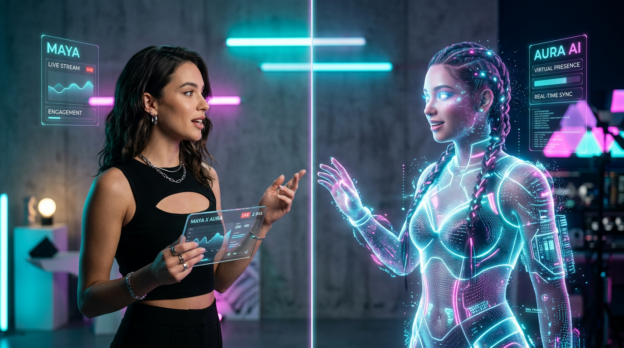
As software tools become more accessible, the barrier to entry is dropping, allowing mid-sized companies and independent creators to design their own customized avatars. Key trends to watch include hyper-personalized shopping assistants within social commerce platforms and hybrid campaigns where human creators collaborate directly with synthetic influencers.
Embracing this technological shift requires a balance of innovative tech adoption and transparent communication. As the ecosystem matures, brands that successfully blend artificial intelligence with compelling narratives will lead the next generation of digital marketing.













 200 Tokens
 1,000 Points
 1000 Coins