

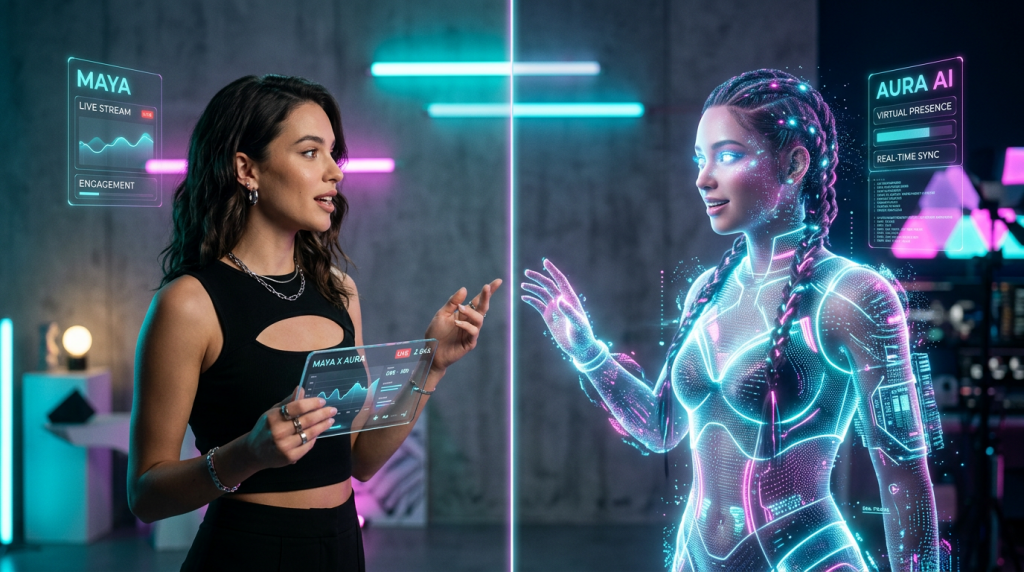
The Future of Influencer Marketing: AI Avatars and Virtual Creators
The digital landscape is undergoing a profound transformation. What once began as experimental computer-generated imagery (CGI) projects a decade ago has now evolved into a…

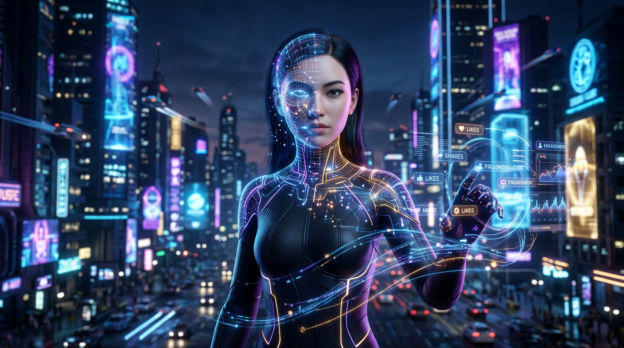
The digital landscape is undergoing a silent yet seismic transformation. For years, influencer marketing has relied exclusively on human creators—individuals sharing their daily lives, travel adventures, and product recommendations to build trust with their followers. However, a new paradigm has officially arrived. Driven by advancements in generative artificial intelligence and hyper-realistic 3D modeling, virtual creators and AI avatars are rapidly shifting from science fiction novelties to mainstream marketing powerhouses.
For brands and marketers, understanding this evolution is no longer optional. This comprehensive guide explores the rise of virtual influencers, the operational advantages they offer, the ethical considerations surrounding their use, and what the future holds for this digital phenomenon.
The concept of virtual influencers is not entirely new. Early pioneers emerged in the mid-2010s, with figures like Lil Miquela capturing global attention starting in 2016. In those early days, creating and maintaining a virtual persona required costly, labor-intensive 3D design processes and dedicated teams of human producers. It was a luxury reserved for massive studios and high-end tech campaigns.
Today, the landscape looks radically different. The intersection of generative AI, advanced rendering, and automation tools has drastically democratized the creation of digital avatars. No longer restricted by multi-million-dollar studio budgets, independent agencies and specialized creators can design, manage, and scale functional virtual influencers with unprecedented speed.
International sensations continue to land lucrative contracts with high-fashion labels, while regional success stories—such as Aitana López in Spain, created by the agency The Clueless, and Alba Renai, powered by Be a Lion and featured in campaigns for major brands like Hyundai and Meliá Hotels—prove that virtual avatars are fully integrated into large-scale, conventional advertising strategies.
The rapid adoption of AI-generated influencers is fueled by several distinct strategic advantages over traditional human partnerships:
Despite the clear commercial benefits, the rise of synthetic influencers introduces complex ethical and regulatory challenges that marketers must navigate carefully.
One of the most pressing issues is consumer clarity. Regulatory bodies worldwide are increasingly demanding strict disclosure whenever a profile or its content is 100% generated by artificial intelligence. Transparency ensures that audiences are not misled into believing a synthetic entity has physical lived experiences.
While virtual avatars often achieve exceptionally high engagement rates driven by novelty and visual appeal, critics point out a fundamental limitation: they lack real-life human experiences. This sparks an ongoing debate about whether an audience can form a genuine emotional connection with an algorithmic entity.
Many wonder what this means for nano and micro-influencers. Current industry consensus suggests that virtual avatars will not completely replace human creators—who derive their power from tangible product testing and authentic lived experience. Instead, they will coexist as a distinct new category of digital entertainment and advertising.
The future of influencer marketing points toward deeper technological integration and accessibility.
First, we are witnessing the democratization of software-as-a-service (SaaS) tools for AI creation. Specialized platforms are enabling small and medium-sized enterprises to integrate customized avatars directly into their content marketing and user-generated content strategies without needing massive agency backing.
Second, the technology is evolving rapidly toward total interactivity. The next frontier goes beyond static photos and videos in a feed; it involves deploying AI avatars into virtual reality (VR) environments, metaverses, and hyper-realistic customer service touchpoints powered by conversational facial recognition agents.
AI avatars and virtual creators represent a fascinating maturation of digital marketing. They challenge our traditional notions of influence, authenticity, and brand storytelling. Rather than signaling the end of human creativity, virtual influencers open up an entirely new dimension of artistic and commercial expression.
For brands ready to experiment with this technology, the key lies in balancing innovation with radical transparency. As the line between the physical and digital worlds continues to blur, the brands that succeed will be those that use these tools not just to sell products, but to craft truly imaginative and engaging consumer experiences.
The digital landscape is undergoing a profound transformation. What once began as experimental computer-generated imagery (CGI) projects a decade ago has now evolved into a…
Video content has firmly established itself as the primary vehicle for communication, education, and entertainment across the internet. From corporate marketing campaigns to independent YouTube…


A menudo escuchamos que los términos “creador de contenido” e “influencer” se usan indistintamente, pero en realidad existe una marcada diferencia. Profundizaremos en las diferencias,…

Los Lakota poseían su propia noción del Camino Rojo. El Camino Lakota se resume en la máxima “Mitakuye Oyas’in” que significa todas mis relaciones.

si estás interesado en convertirte en un creador de contenido a tiempo completo, hemos elaborado una guía rápida con información esencial sobre lo que significa ser un creador de contenido digital y cómo convertirte en uno en ocho sencillos pasos.
La automatización del marketing con IA podría ser la “frase de moda” más importante del año.
Pero su potencial significa que es más que la última novedad. En realidad, está cambiando la forma en que las marcas se conectan e interactúan con sus clientes para brindar experiencias de élite a una fracción del costo.

Tienes algún hobbie que te haga ganar dinero o que pueda ser una fuente de ingresos extra? Si bien tendemos a tener pasatiempos que nos…

Hay muchas maneras de ganar dinero en línea, ya sea que desee obtener ingresos adicionales o iniciar un negocio a tiempo completo. En este post, compartiremos ideas y consejos de expertos sobre cómo ganar dinero en línea para principiantes.
El 2023 trajo consigo una revolución en el marketing digital, marcada por avances tecnológicos y cambios en el comportamiento del consumidor. Y el 2024, no…

Abrir las redes sociales hoy en día puede sentirse como caminar por un centro comercial abarrotado donde todo el mundo grita al mismo tiempo para…
Por favor, confirme que desea bloquear a este miembro.
Ya no podrá:
Espere unos minutos para que se complete este proceso.

 200 Tokens
 1,000 Points
 1000 Coins