


Los Lakota: La cultura indígena norteamericana que representa un referente de civilización
Los Lakota poseían su propia noción del Camino Rojo. El Camino Lakota se resume en la máxima “Mitakuye Oyas’in” que significa todas mis relaciones.


Video content has firmly established itself as the primary vehicle for communication, education, and entertainment across the internet. From corporate marketing campaigns to independent YouTube channels, the demand for high-quality video has never been higher. However, traditional post-production methods—characterized by hours of combing through raw footage, manual cuts, audio synchronization, color grading, and meticulous subtitling—have long represented a massive bottleneck for creators, agencies, and marketing departments alike.
Enter Artificial Intelligence. Today’s AI-powered video editing tools do much more than apply simple filters. They understand the semantics of video content, automate repetitive tasks, and completely redefine creative workflows. By integrating these advanced tools into your pipeline, you can drastically reduce production times and operational costs without compromising on quality.
The shift from traditional editing to AI-assisted workflows is not just about saving time; it is a fundamental financial transformation. In traditional corporate video production, creating a single polished project can easily cost between $3,000 and $15,000 and require four to six weeks of dedicated labor. By combining AI automation with streamlined human oversight, those costs drop significantly, and turnaround times shrink to just a fraction of the original duration.
Furthermore, content repurposing has become a game-changer for digital reach. Tools designed to reframe footage automatically and convert long-form content into bite-sized clips allow creators to take a 20-minute podcast or YouTube tutorial and instantly generate multiple optimized Shorts, Reels, or TikToks. This multiplies organic reach exponentially without requiring any additional recording effort.
Additionally, the rise of AI-powered dubbing and lip-syncing has torn down the barriers of six-figure budgets for traditional translation services. Brands and creators can now expand into international markets almost instantaneously, making global reach accessible to operations of any size.
The current ecosystem of AI video editing tools solves the most exhausting pain points for editors by streamlining several labor-intensive processes:
To navigate the modern landscape effectively, it helps to understand how different software solutions serve specific production needs:
The prevailing consensus across the film, television, and marketing industries is that AI acts as a powerful copilot rather than a total replacement for human creativity. By optimizing workflows and eliminating mechanical tedium, AI allows human editors to focus entirely on narrative structure, pacing, artistic vision, and premium finishing touches.
Moreover, this technology enables unprecedented hyper-personalization. Brands can now generate hundreds of variations of a single video advertisement, automatically tailored to different target audiences, languages, and distribution platforms, all without scaling production costs linearly.
Embracing AI-driven video editing is no longer just an experimental option for early adopters; it is a vital strategy for anyone looking to scale their content output and remain competitive in a fast-paced digital landscape. By automating the repetitive elements of post-production, you free up valuable hours that can be reinvested into strategy and storytelling. Take the first step today by integrating a single AI tool into your current workflow and experience the transformation firsthand.
Los Lakota poseían su propia noción del Camino Rojo. El Camino Lakota se resume en la máxima “Mitakuye Oyas’in” que significa todas mis relaciones.

El contenido de formato corto domina la mayoría de las plataformas, es posible que consideres subirte al tren y usar YouTube Shorts para promocionar tu negocio. Afortunadamente, entender cómo hacer YouTube Shorts no tiene por qué ser complicado.
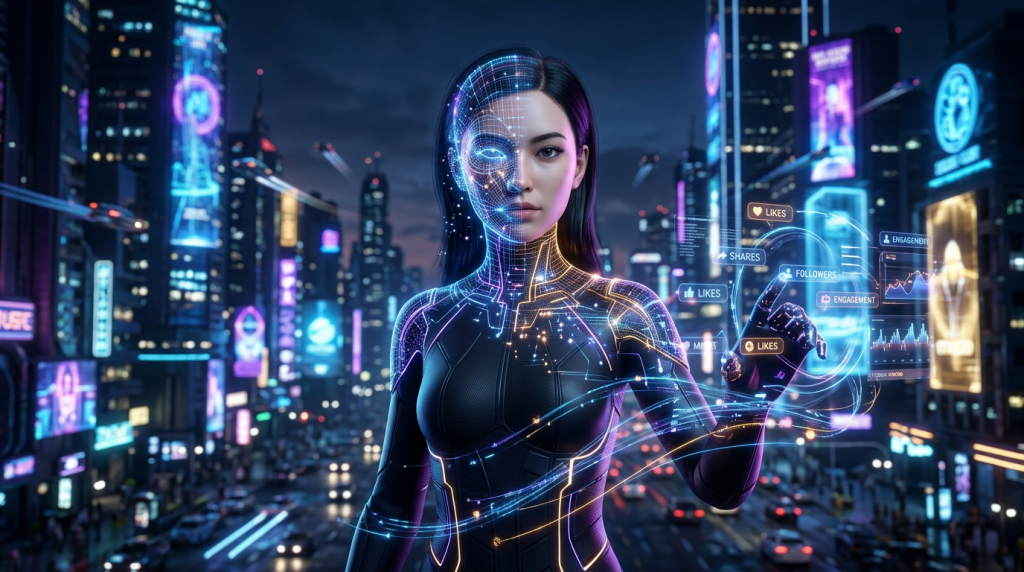
The digital landscape is undergoing a silent yet seismic transformation. For years, influencer marketing has relied exclusively on human creators—individuals sharing their daily lives, travel…

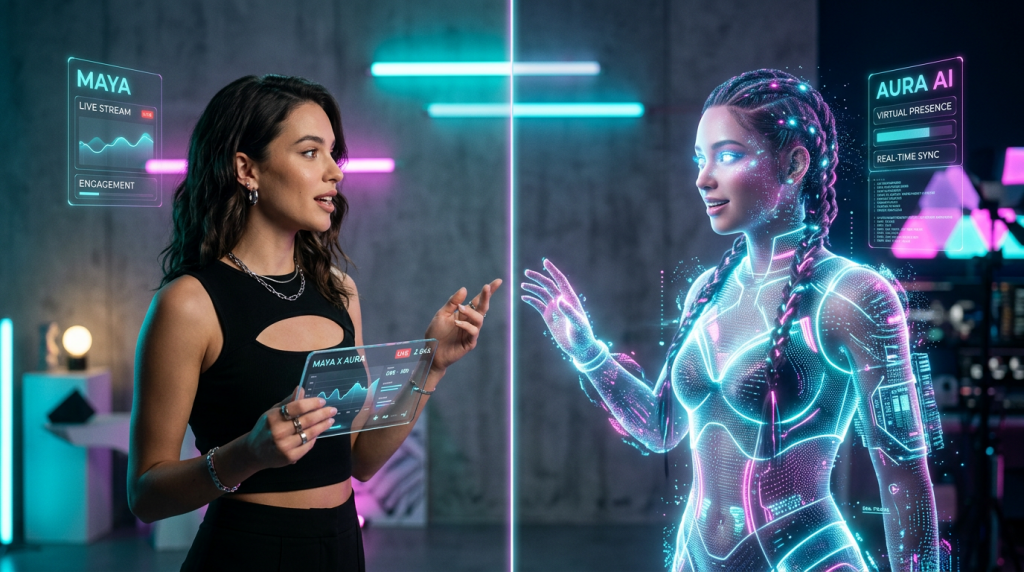
The digital landscape is undergoing a profound transformation. What once began as experimental computer-generated imagery (CGI) projects a decade ago has now evolved into a…

Runway2.0, el video que grabaste ya no es el limite. Imagina que grabaste un video para una campaña, y el fondo no quedó bien. O…

Tanto si eres un experto en YouTube como si eres novato, estamos aquí para cubrir los in & outs de los YouTube Shorts. Porque si…
¿Y si en lugar de aprender a usar un editor de video, simplemente le dijeras a la IA lo que quieres ver — y lo…
Mientras todos miraban a OpenAI y a Google, ByteDance — la empresa detrás de TikTok — lanzó silenciosamente el modelo de video con IA más…

La automatización del marketing con IA podría ser la “frase de moda” más importante del año.
Pero su potencial significa que es más que la última novedad. En realidad, está cambiando la forma en que las marcas se conectan e interactúan con sus clientes para brindar experiencias de élite a una fracción del costo.
Por favor, confirme que desea bloquear a este miembro.
Ya no podrá:
Espere unos minutos para que se complete este proceso.

 200 Tokens
 1,000 Points
 1000 Coins